Peter is my unofficial agent for this blog. He makes suggestions for topics, he comes along with me on research adventures, and he reads my draft posts aloud so I can check for word duplication and syllable stress. So, when he asked me to go on a heritage walking tour of Little Italy, it was hard to say no.
While we have often wandered along Collee Street for pasta and gelato, we had never gone with a guide to learn about the history of Italian immigrants and where they chose to build their new lives in Toronto. On our tour we learned that Italians came here in 3 waves. The first one, 1870 to 1914, was created by Italians looking for jobs. The second, 1920 to 1930, occurred when the urge to explore picked up after WWI. And the largest wave saw almost 30,000 immigrants arriving on our Halifax shores from 1945 through 1970. This was Peter’s wave.

These new families tended to settle a little north-west of downtown Toronto. There they found jobs in construction and other industries, and affordable housing in flats or with one another. A community grew. Small grocery stores selling Italian bread, Brio, mortadella and squawking chickens popped up along College St. A Catholic parish, St. Francis of Assisi, was established in 1902. The parishioners soon outgrew their first church and a second, much larger one, was opened in 1913.
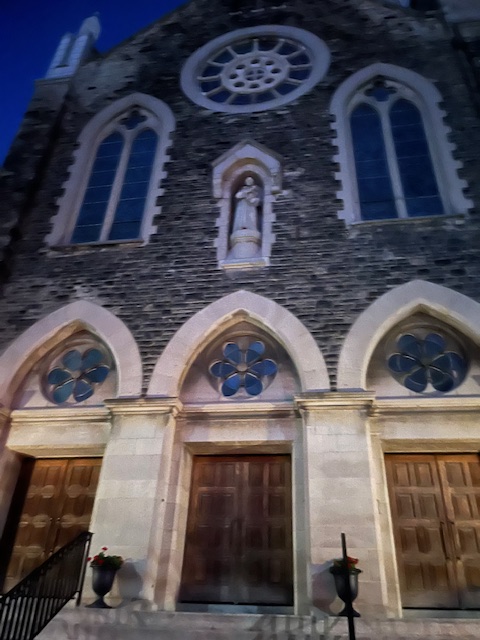
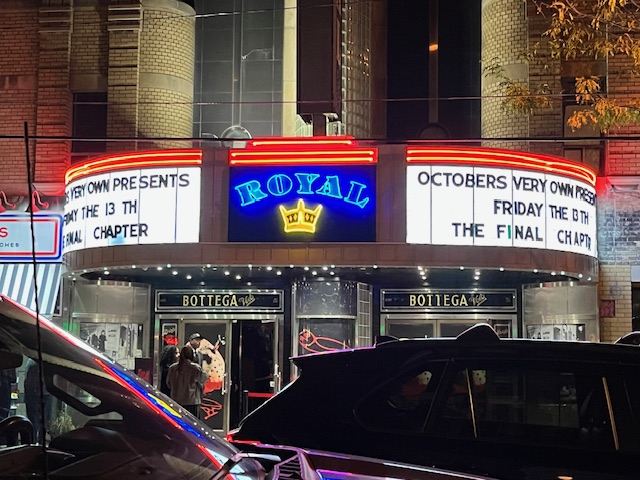
When families needed money, they had trouble accessing Canadian banks due mostly to the language barrier and occasionally to cultural slurs. So a few of the wealthier residents combined their money and created the IC Savings Bank which still has branches in the area. Then the city saw a need for language training and opened COSTI Immigrant services in 1952. This community hub provided English education, job training, and socialization. For entertainment the Royal theatre offered movies starring Sophia Loren.
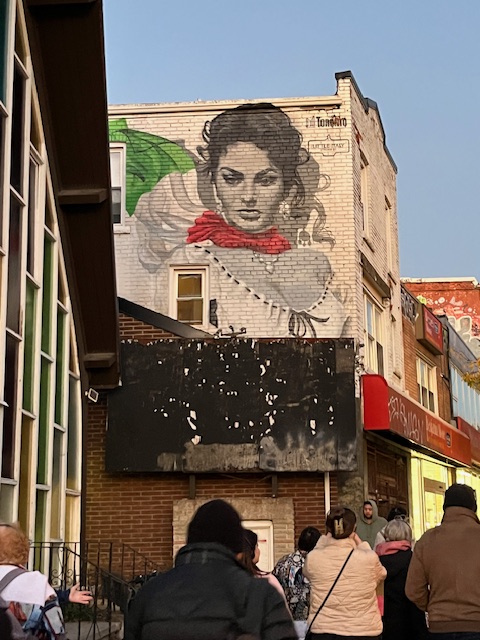
By far the greatest asset to building this Italian community was the media. CHIN Radio was founded in 1966 by Johnny Lombardi. It became Ontario’s first foreign language radio station, broadcasting day and night. The shows covered news, weather, and entertainment in Italian as well as other languages, and were a godsend to Italian speakers. Johnny Lombardi was their hero.

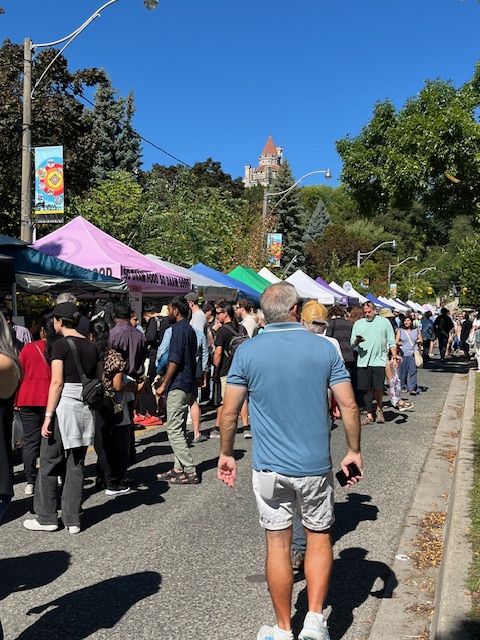
CHIN is known to many non-Italian Torontonians for its annual picnic which was first held along College St. The event moved to the Toronto Islands in 1968 and then to the exhibition grounds in order to accommodate the 125,000 annual visitors. In 2015 the picnic moved back to its roots on College Street and became part of the 3-day Little Italy annual festival.
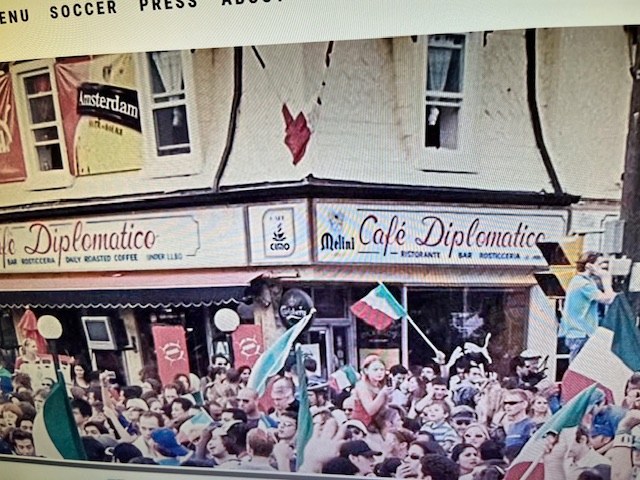
If you decide to investigate this festival next June, you will find Peter and me eating pasta at the Cafe Diplomatico, first opened in 1968.
Ciao.
Sue










 Seventy In the City